Biology Week has arrived! This week, October 8-18th, shines a spotlight on the biological sciences and the critical role research plays in understanding and protecting our natural world.
Across Huron County, biology isn’t just contained within a lab or a textbook; it is a dynamic, boots-on-the-ground discipline that unfolds every day across our river flats, wetlands, and forests. Local initiatives and visiting researchers capture the essential field data needed to protect Ontario’s unique biodiversity.
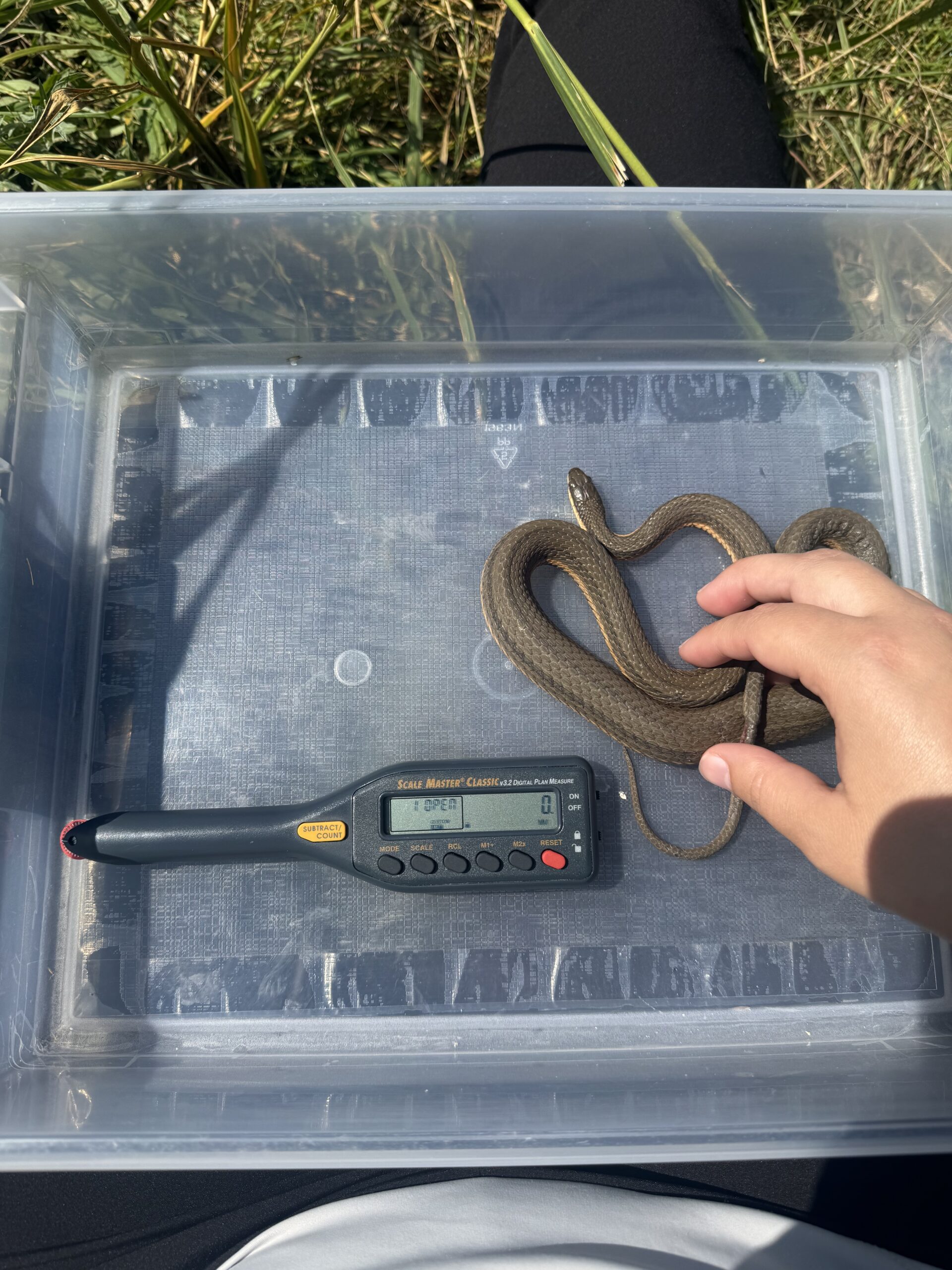
1. The Huron Stewardship Council: Monitoring Species at Risk
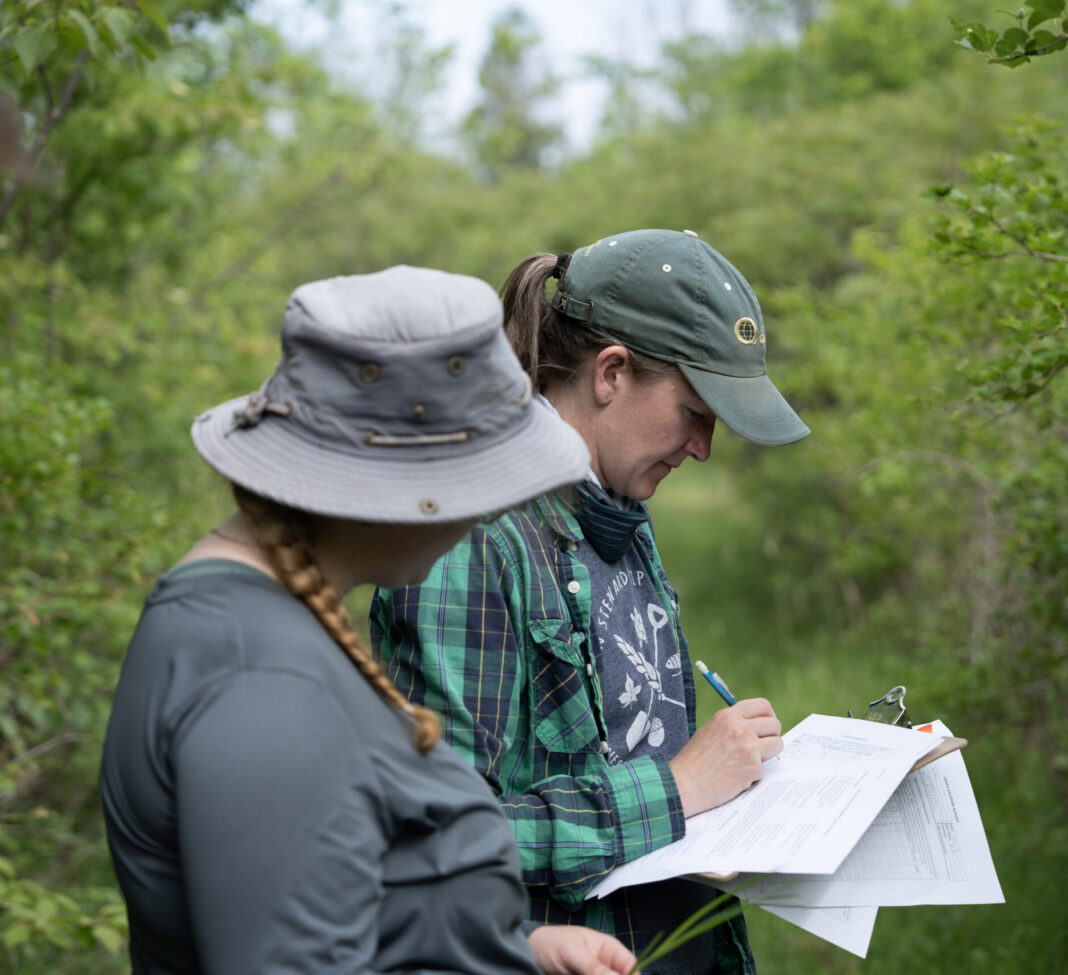
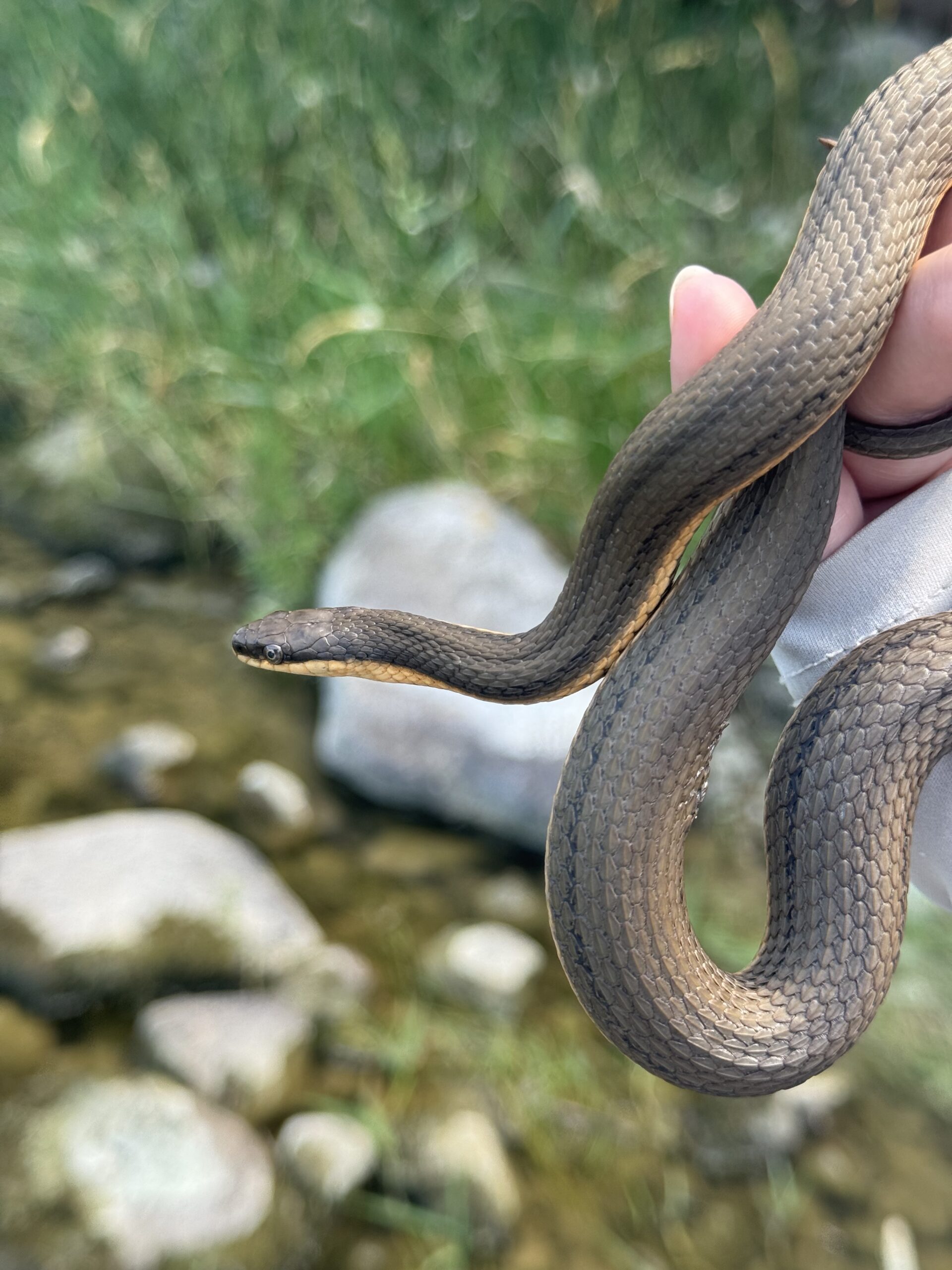
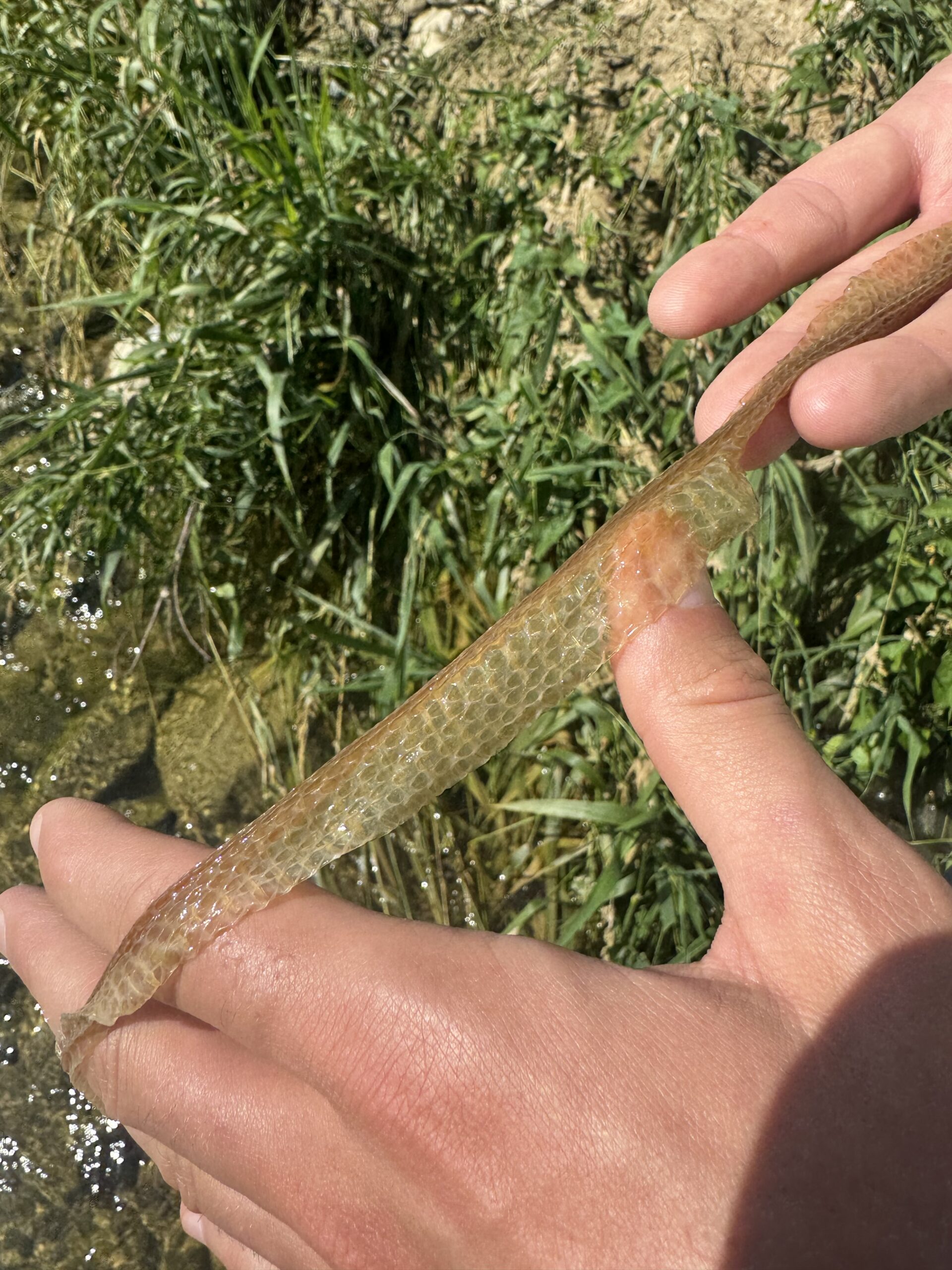
Our river valleys and riparian corridors serve as active ground for specialized wildlife research. The Huron Stewardship Council leads important data collection initiatives right here in our watershed, where we focus heavily on local Species at Risk such as the Queensnake!
Through field monitoring, our efforts track population health, assess habitat use, and gather the long-term data necessary to inform meaningful conservation strategies for Species at Risk.
2. The Ausable Bayfield Conservation Authority: Aquatic Biomonitoring
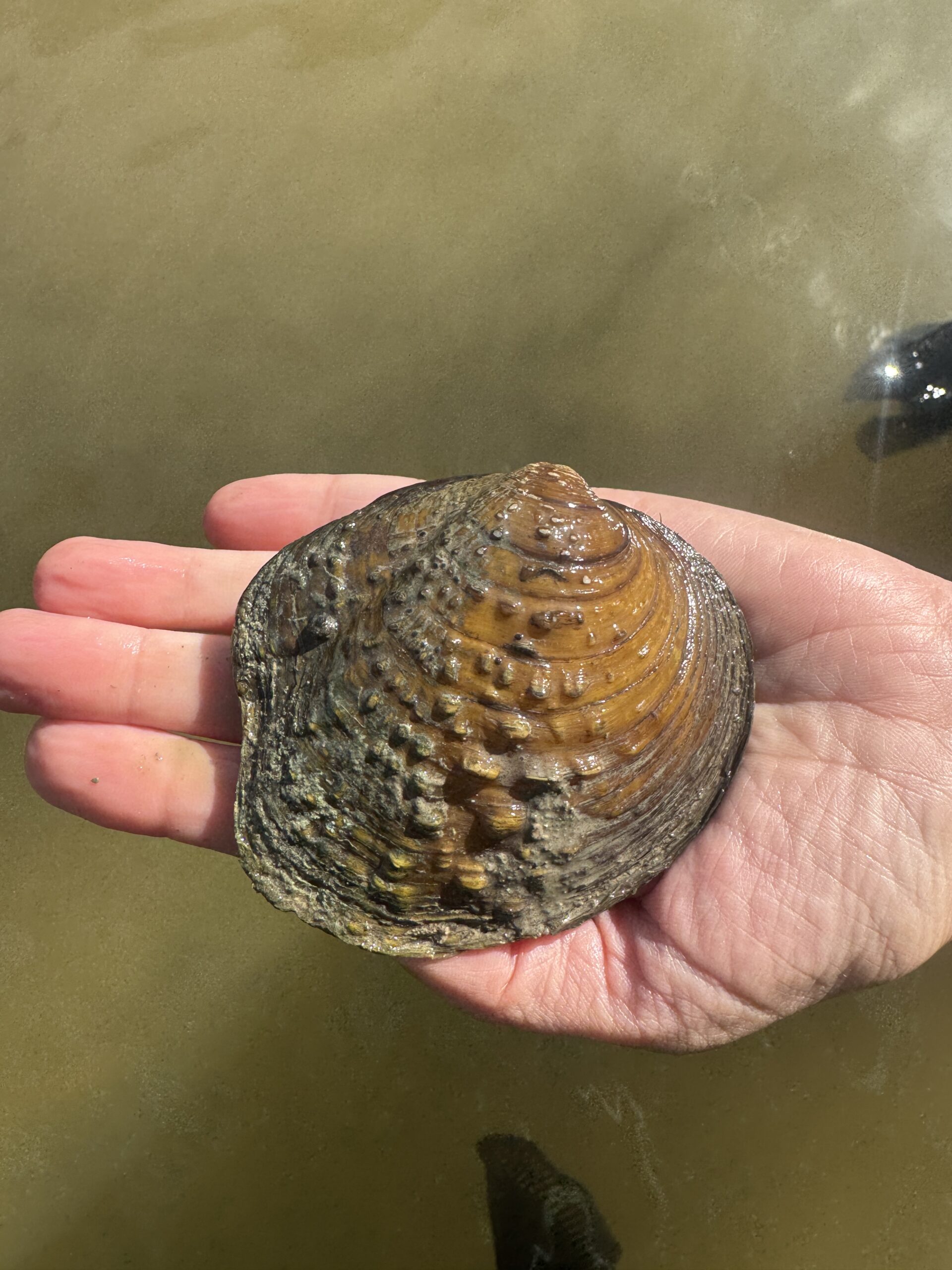
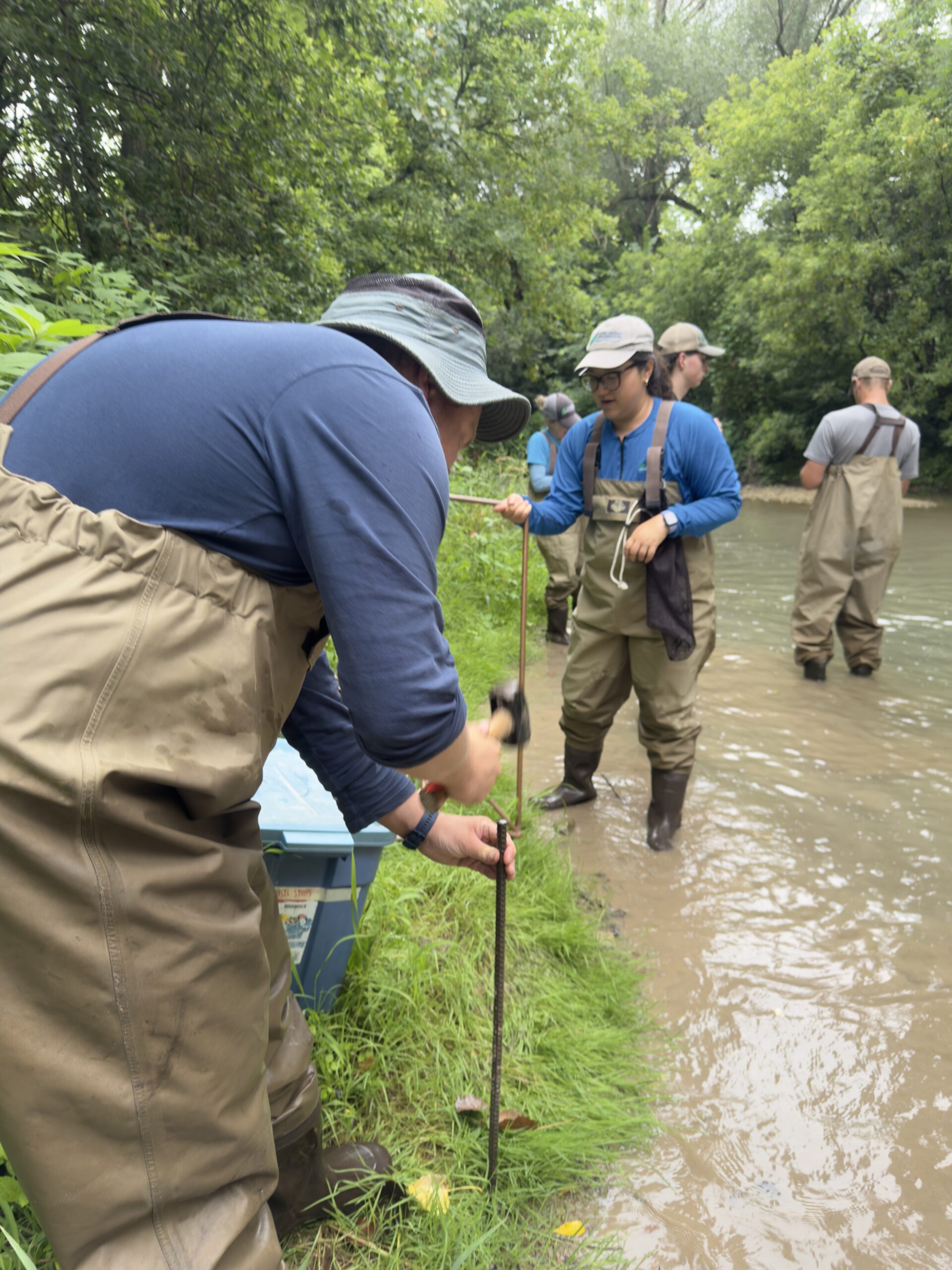
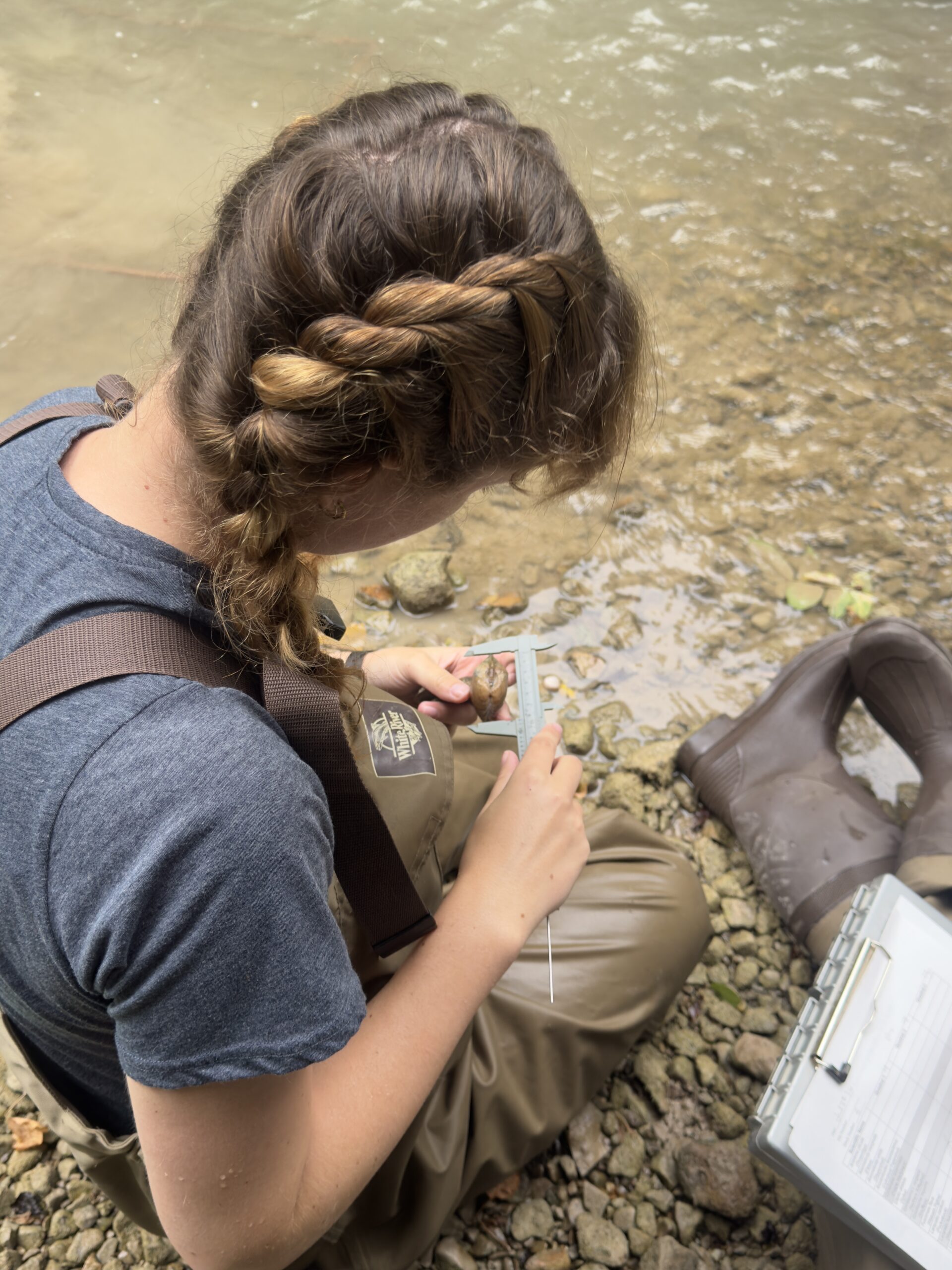
Biological research extends deep into our aquatic ecosystems, and when we say deep, we mean into the substrate at the bottom of rivers! Even the hidden species that you may not think about much serve as vital indicators of environmental health.
In our neighbouring watershed, the Ausable Bayfield Conservation Authority conducts key biomonitoring projects focused on freshwater mussels along the Ausable River. By tracking these sensitive aquatic populations over time, their work offers critical insights into riverbed stability, watershed health, and overall water quality across regional river networks.
3. External Research Teams: Nocturnal Forest Surveys
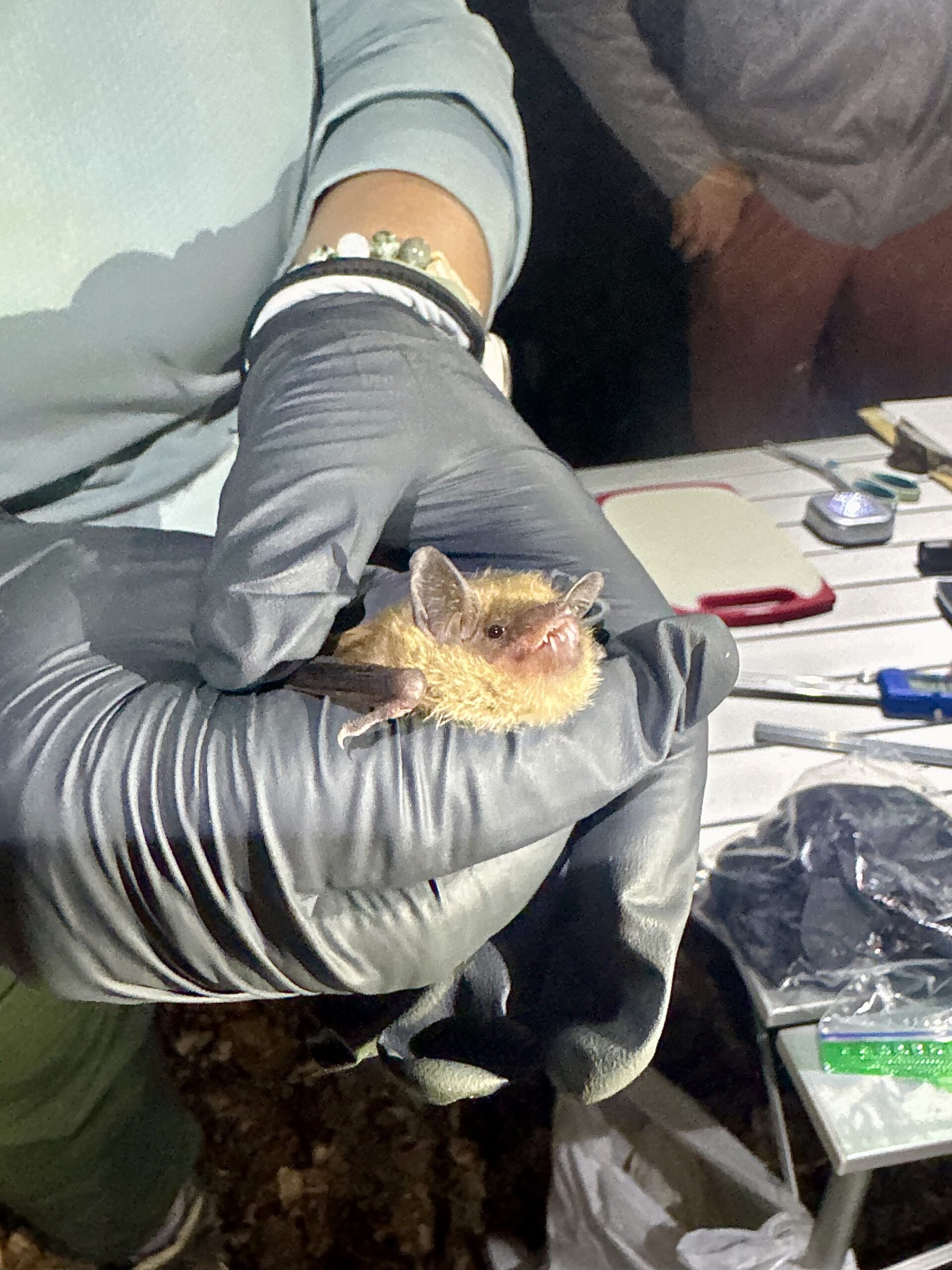
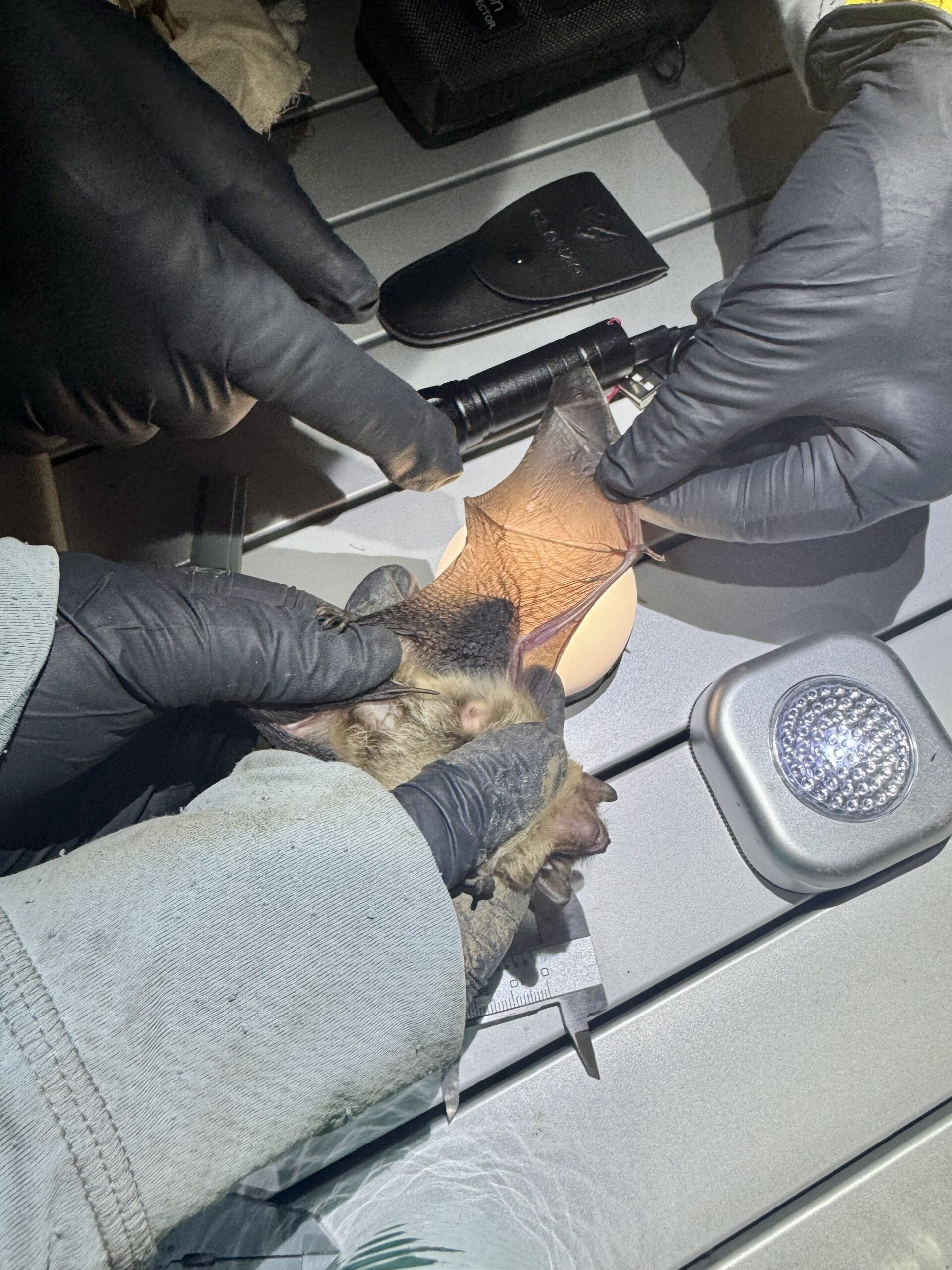
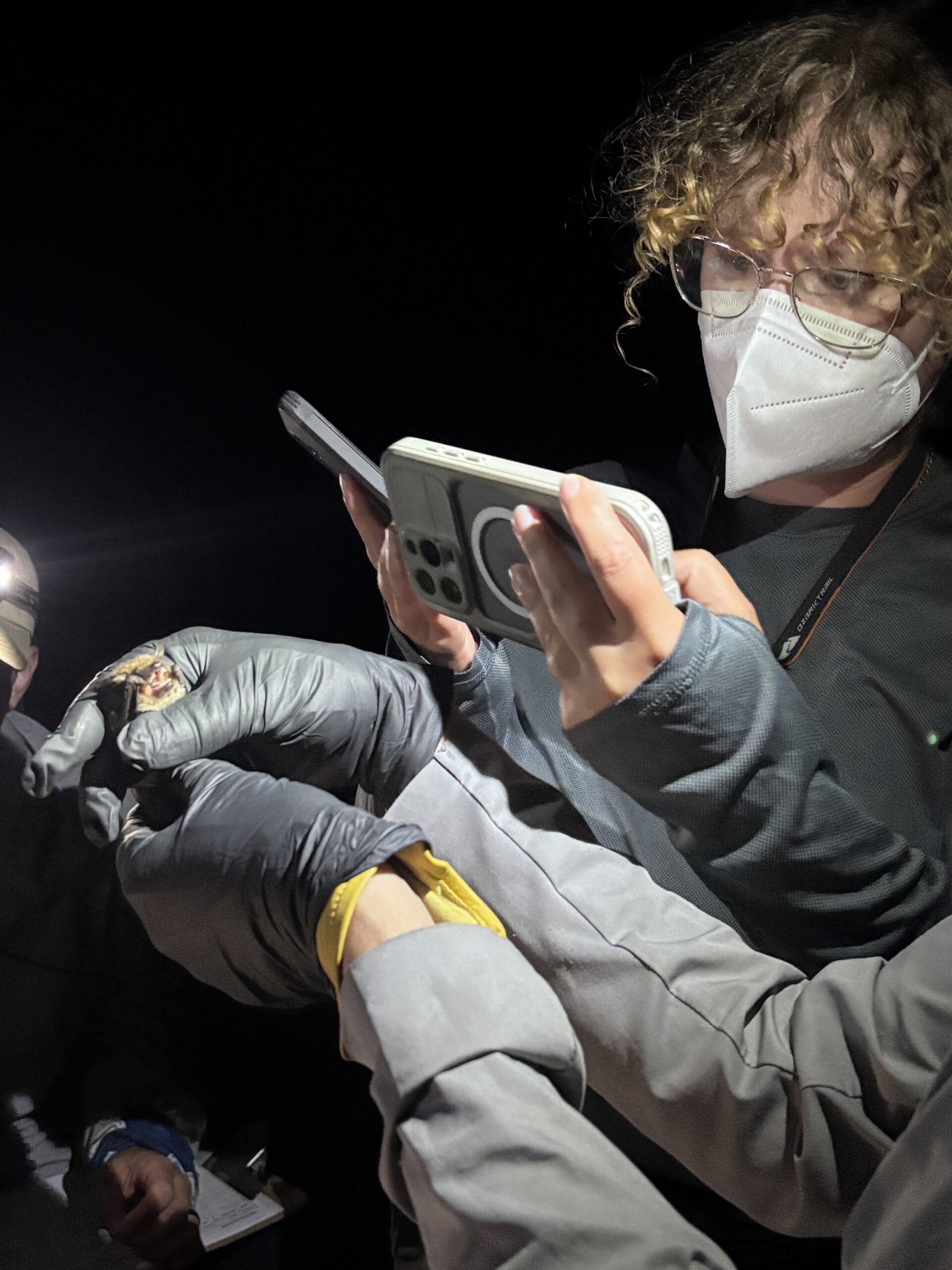
Not all fieldwork happens during daylight hours! Visiting research organizations, such as Natural Resource Solutions Inc., travel to the area to conduct specialized nocturnal surveys of our local bat populations.
These teams study bat activity in our treed vegetation communities, including the forests and swamps, contributing to broader regional data sets that monitor species diversity, population trends, and overall forest ecosystem health.
How You Can Support Local Field Biology
While conservation relies on data, it truly thrives on community support and awareness; organizations can accomplish a great deal on their own, but real, lasting impact is only possible when a community actively rallies behind the cause.
Here is how you can engage with the living sciences right in your backyard:
- Become a Community Scientist: Use tools like iNaturalist to log your wildlife, fungi, and plant observations. Citizen science entries help researchers track species distributions across Huron County.
- Support Local Stewardship: Getting involved with regional conservation efforts can take many forms, and every action counts!
- Volunteering your time is a powerful way to lend a hand, literally! Whether that means rolling up your sleeves for tree planting along river flats, joining shoreline beach cleanups, or assisting with hands-on data collection in the field, it is more helpful than you might think.
- Donating directly to organizations helps to fund vital species research, wildlife rehabilitation, and critical habitat restoration across our watershed.
- Even speaking positively about local conservation, sharing science-backed stewardship facts, and sparking constructive conversations within your own social circles helps build a culture of environmental care.
Whether you contribute a few hours on the trail, advocate for wildlife in everyday conversations, or support these initiatives through donations, your backing powers the essential work needed to keep our local ecosystems thriving. On behalf of conservationists and the wildlife who depend on us all, we thank you for your involvement!
Honouring the Science of Life: Next time you take a walk along the local trails or explore the Lake Huron bluffs, take a moment to consider the vast network of wild species sharing our landscape—and the dedicated scientists and organizations working to ensure they continue to thrive!