
Scales, Shells, and Surprises: Happy Reptile Awareness Day!
Today, October 21st, is Reptile Awareness Day—the one day of the year dedicated to celebrating the scaly, shelled, and endlessly fascinating creatures that live among us!
While reptiles often get a bad rap, these cold-blooded neighbors are essential drivers of healthy forests, wetlands, and rivers across our province. To mark the occasion, here are a few mind-blowing facts about Ontario’s native species, why they matter, and how you can join us in keeping them safe.
Mind-Blowing Fun Facts About Ontario Reptiles
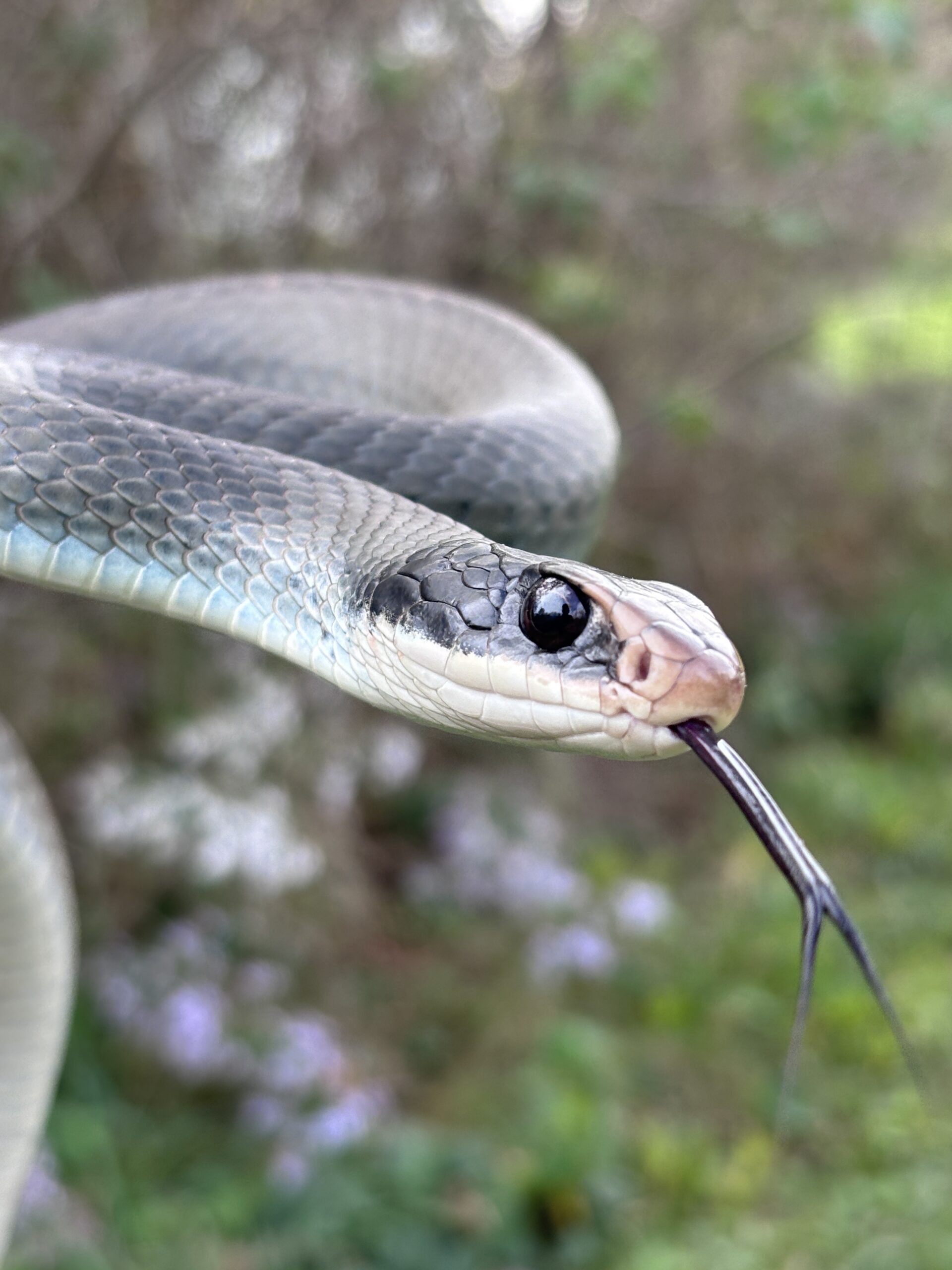
- Snakes Can Smell with Their Tongues: When a snake flicks its tongue, it isn’t tasting the air—it’s picking up scent molecules and pressing them against a specialized organ in the roof of its mouth (the Jacobson’s organ) to “see” its environment in chemical detail!
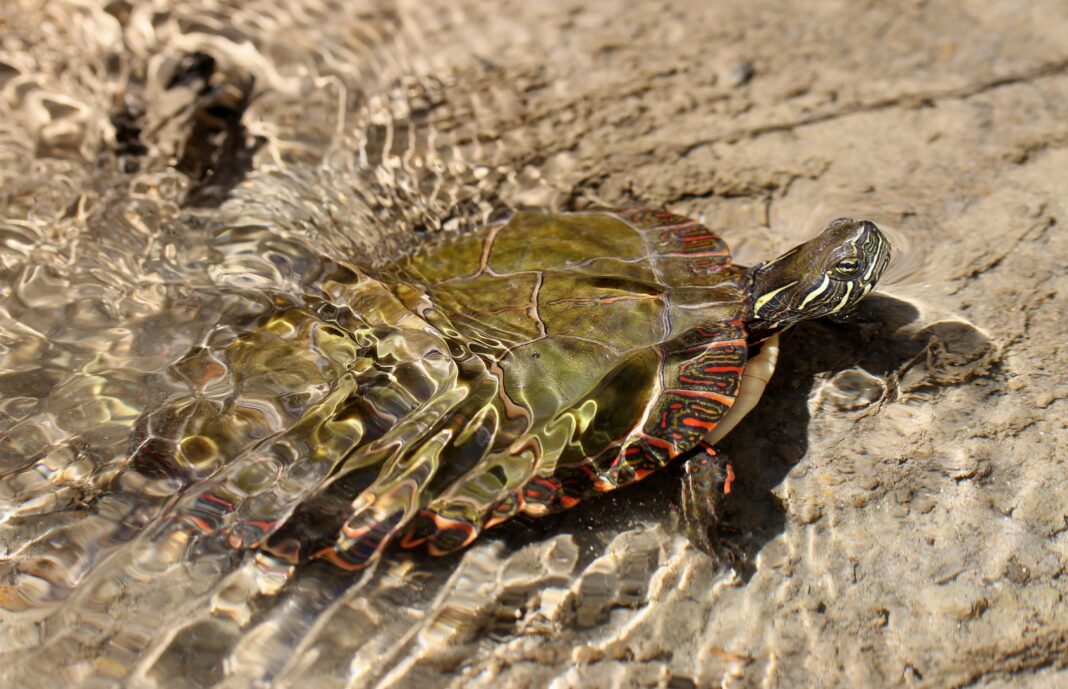
- Turtles Can Breathe Through Their “Butt”: During Ontario’s freezing winters, species like the Painted Turtle (Chrysemys picta) submerge themselves under the ice and extract oxygen directly from the water through a tissue-rich area called the cloaca. It’s called cloacal respiration, and it keeps them alive for months under frozen lakes!
- Ontario Has its Own Native Lizard: Meet the Five-lined Skink (Plestiodon fasciatus)! When threatened by a predator, these tiny speedsters can drop their bright blue tails on command. The detached tail twitches frantically to distract the attacker while the skink makes a clean getaway (and grows a new tail later).
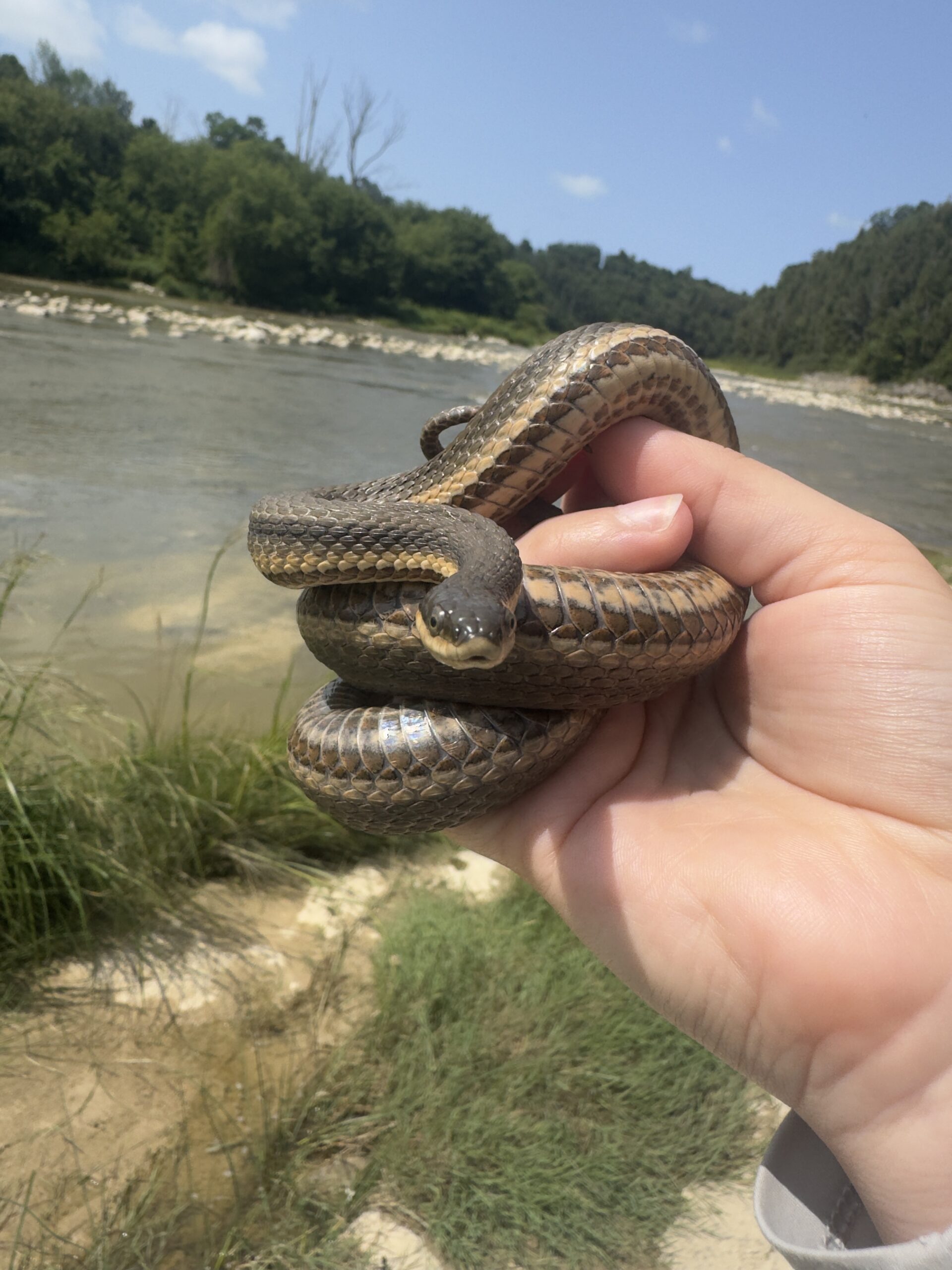
- Queensnakes Are Ridiculously Picky Eaters: Unlike most snakes that eat a variety of prey, the rare Queensnake
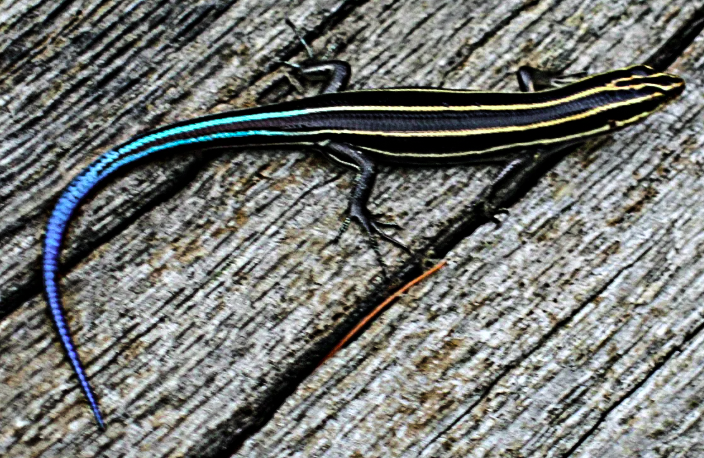
Five lined skink (Plestiodon fasciatus). Photo by Pinery Provincial Park. feeds almost exclusively on freshly molted, soft-shell crayfish.
- Incubation Temperature Determines a Turtle’s Sex: For many native turtle species, the temperature inside the underground nest determines whether the eggs hatch as male or female—warmer nest temperatures yield females, while cooler temperatures yield males!
Small Creatures, Big Impact
Behind all these quirky traits are vital ecological roles:
- Natural Pest Patrol: Snakes keep rodent populations under control around farms, homes, and woodlands, indirectly helping reduce tick populations and tick-borne diseases.
- Wetland Janitors: Turtles clean up aquatic ecosystems by eating decaying plant material and dead fish, keeping our lakes and rivers clean for fish, birds, and humans alike.
Ontario Species at Risk
Ontario is home to 26 native reptile species, but over 75% are currently listed as species at risk provincially or nationally. Habitat loss and road mortality are major threats to their survival.
5 Easy Ways You Can Help Local Reptiles
- Slow Down on the Roads: Watch for turtles and snakes on rural roads, especially near wetlands during late spring (nesting season) and early fall (when moving to winter hibernacula).
- Channel Your Inner Crossing Guard: If it’s safe to pull over, help turtles cross the road in the direction they were already heading. (Tip: Never pick up a turtle by its tail—lift gently from the back of the shell!).
- Keep Shorelines Wild: Leaving natural logs, rocks, and native plants along lake and river edges creates essential basking sites and cover for wildlife.
- Become a Citizen Scientist: Take a quick photo of any wild snake or turtle you spot and upload it to iNaturalist Canada to help conservationists track local populations.
- Spread the Word: Share your favorite reptile fun facts with friends and family to help replace fear with curiosity!