November 10 is World Science Day for Peace and Development! Established by UNESCO, this annual celebration highlights the important role science plays in creating a more sustainable world. It also recognizes the researchers, conservationists, and communities working together to better understand and protect our natural environment.
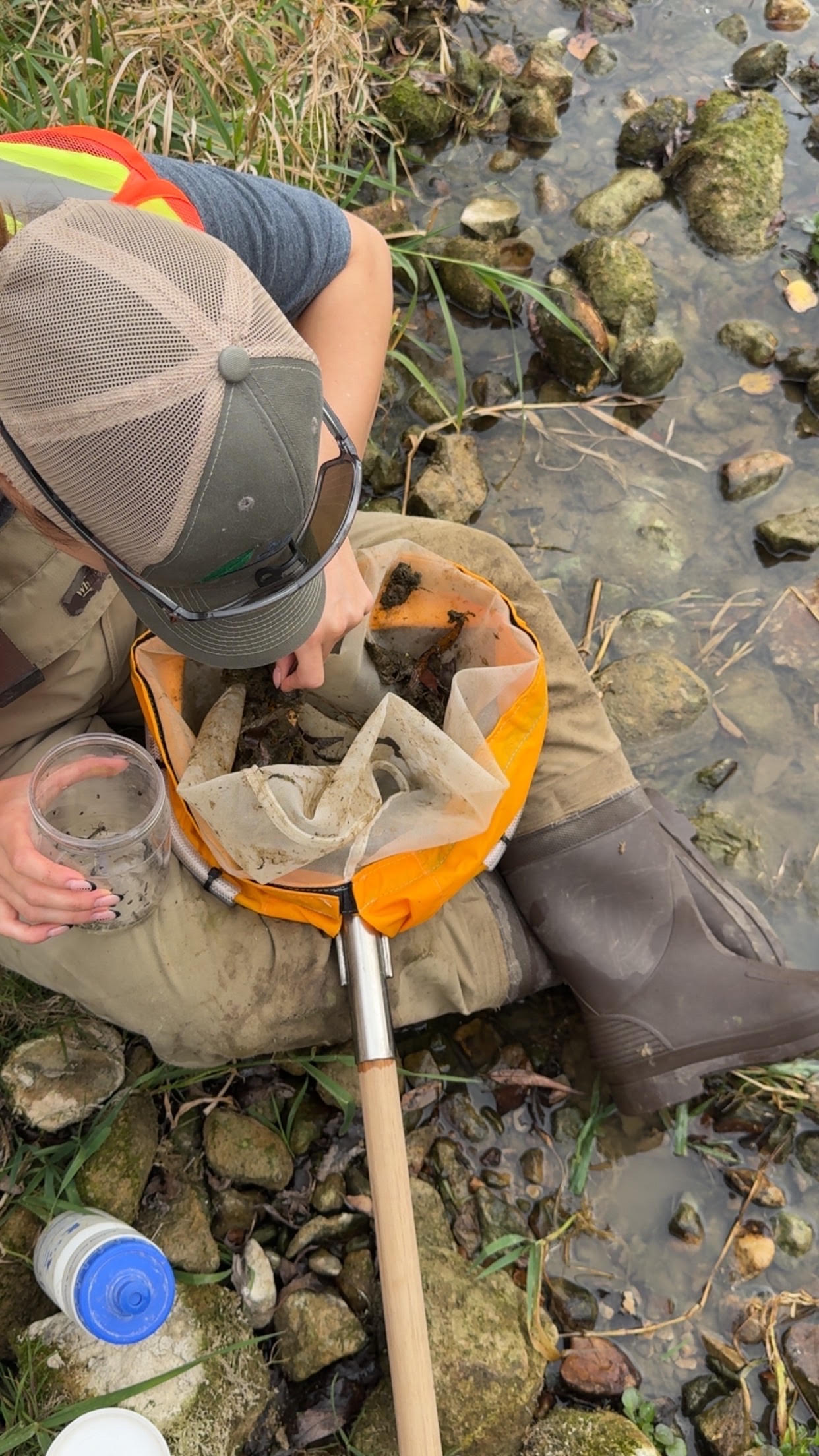
At the Huron Stewardship Council (HSC), science is rooted in the natural world around us. It takes shape through chest waders in the river, muddy hiking boots on forest trails, and careful observations in the habitats we work to protect.
Our work involves tracking the movements of species at risk, gathering field data along local river valleys, identifying native and invasive plants, and engaging with community members who share a passion for the environment.
Every observation, survey, and discovery helps us better understand our local ecosyste
ms and make informed decisions about their future.
Here in Huron County, science is our compass, and stewardship is our action.
What Is Environmental Stewardship?
Stewardship is simple: it’s the commitment to leave our natural world better than we found it.
Taking responsibility for the land, water, and wildlife in our own backyards is at the heart of this commitment. Protecting a wetland, planting native species, restoring a natural area, or creating habitat for local wildlife are all ways we can contribute to a healthier environment.
Good intentions, however, aren’t enough to protect complex ecosystems. We need to understand the challenges they face and identify solutions that actually work.
Some of the questions guiding conservation efforts include:
- Where are our most vulnerable species nesting and travelling?
- How are invasive plants changing local habitats?
- What can we do to help threatened wildlife populations recover?
- Are our restoration efforts making a measurable difference?
Conservation science helps us find those answers. Through research, field observations, and ongoing monitoring, we gain the evidence needed to make informed decisions and develop effective conservation strategies for Huron County.
Science in Action Across Huron County
Every season brings new opportunities to learn about our local ecosystems. Our team puts science into practice through wildlife monitoring, habitat assessments, restoration projects, and other hands-on conservation activities.
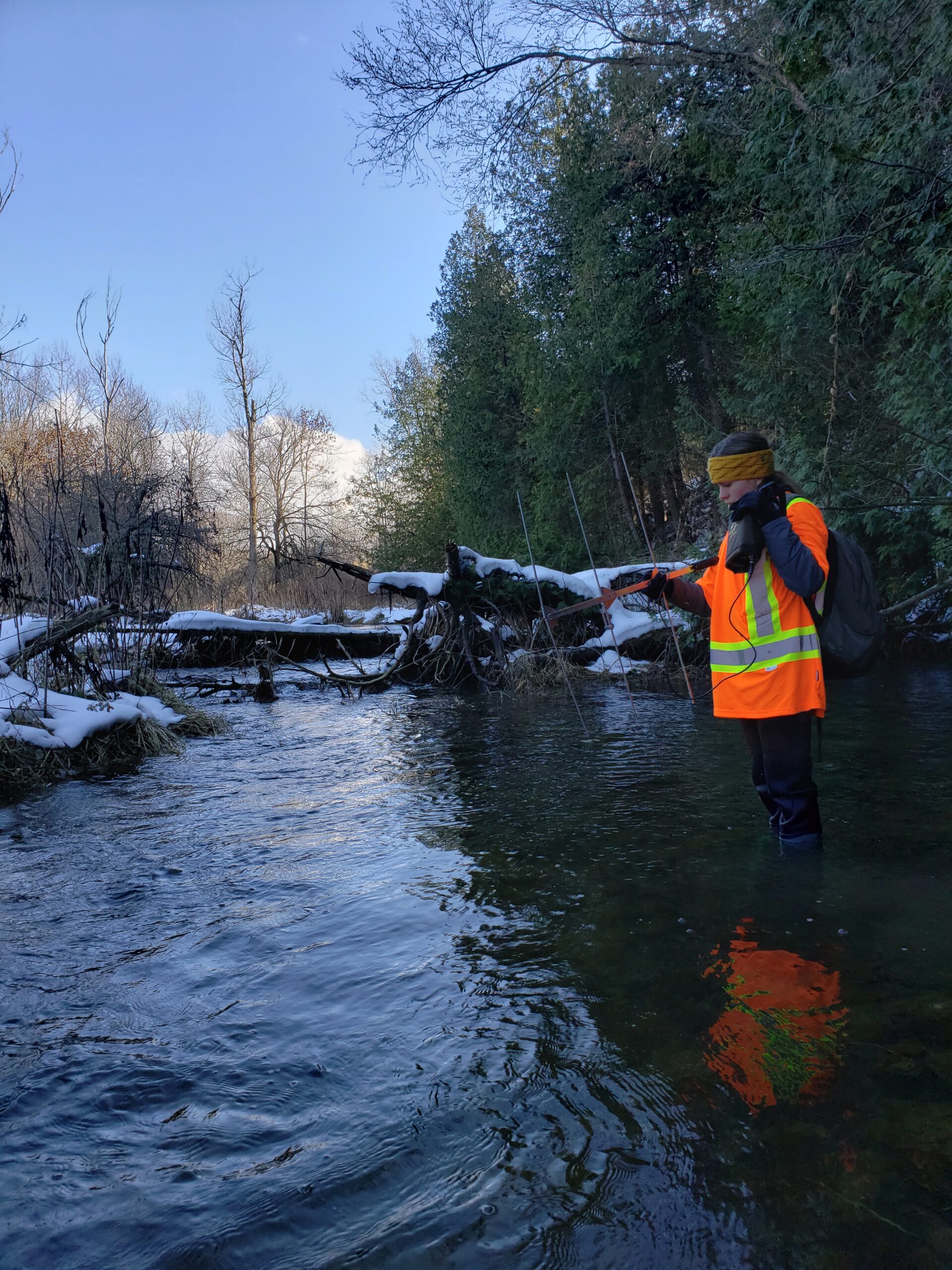
- Protecting Species at Risk: Wildlife movement monitoring, population surveys, turtle nest protection, and hatchling releases all contribute to our understanding of vulnerable species. Knowing where wildlife lives, nests, and travels helps identify important habitat and guide recovery efforts.
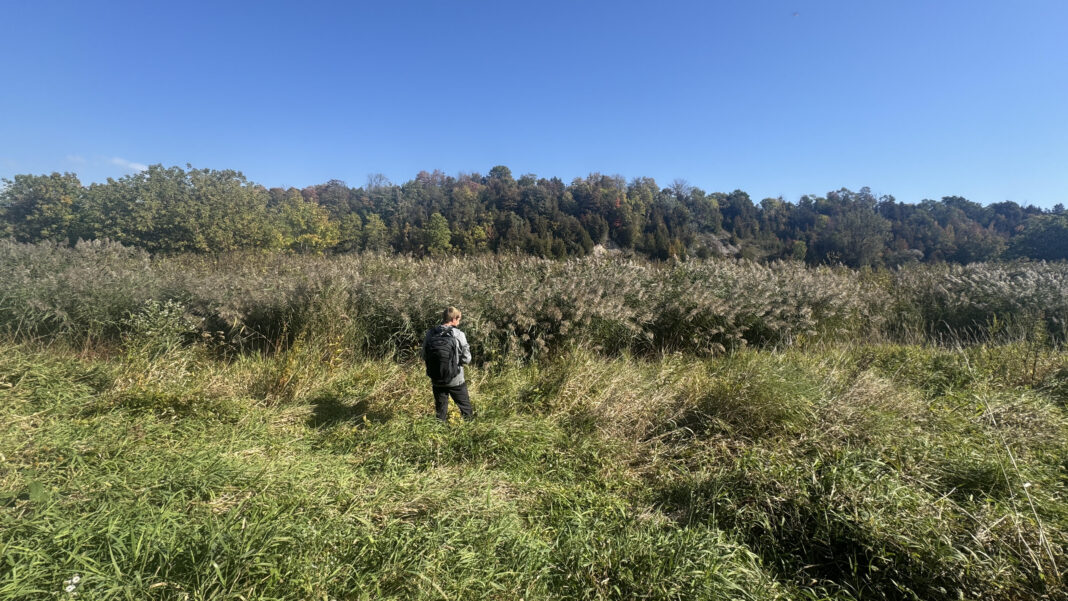
- Restoring Natural Balance: Healthy ecosystems depend on diverse native plant communities. In areas like the Lower Maitland River Valley, studying native vegetation and monitoring invasive plant spread helps us identify restoration priorities. Targeted management strategies can then give native species more room to thrive.
- Protecting Our Waters and Woodlands: Rivers, wetlands, and forests are essential to wildlife and our communities. Ecological observations and environmental monitoring provide valuable insight into watershed health, helping us recognize areas of concern and support the long-term resilience of these natural spaces.
- Learning Through Monitoring: Conservation is an ongoing process. Regular observations and data collection reveal environmental changes, help evaluate restoration projects, and show where adjustments may be needed. Each survey and field observation adds another piece to the bigger picture.
Science Belongs to the Community
UNESCO established World Science Day to remind us that science shouldn’t happen behind closed doors. Scientific knowledge belongs to everyone, and it is most powerful when people can connect it to the world around them.
A community that understands its local ecology is better equipped to protect it. That’s why education and public involvement are such important parts of conservation work.
You don’t need a science degree to make a difference. Learning to identify native plants, observing local wildlife, protecting natural spaces, or participating in a community restoration event are all meaningful ways to contribute.
Volunteers play an important role in supporting fieldwork, habitat restoration, educational activities, and wildlife initiatives. Landowners can protect important natural features on their properties, while residents can make simple changes in their own yards to support local biodiversity.
Joining us for an annual hatchling release, participating in a volunteer field survey, or learning about the native plants in your garden are all great ways to get involved. You are a vital part of local stewardship.
Get Your Hands Dirty with HSC!
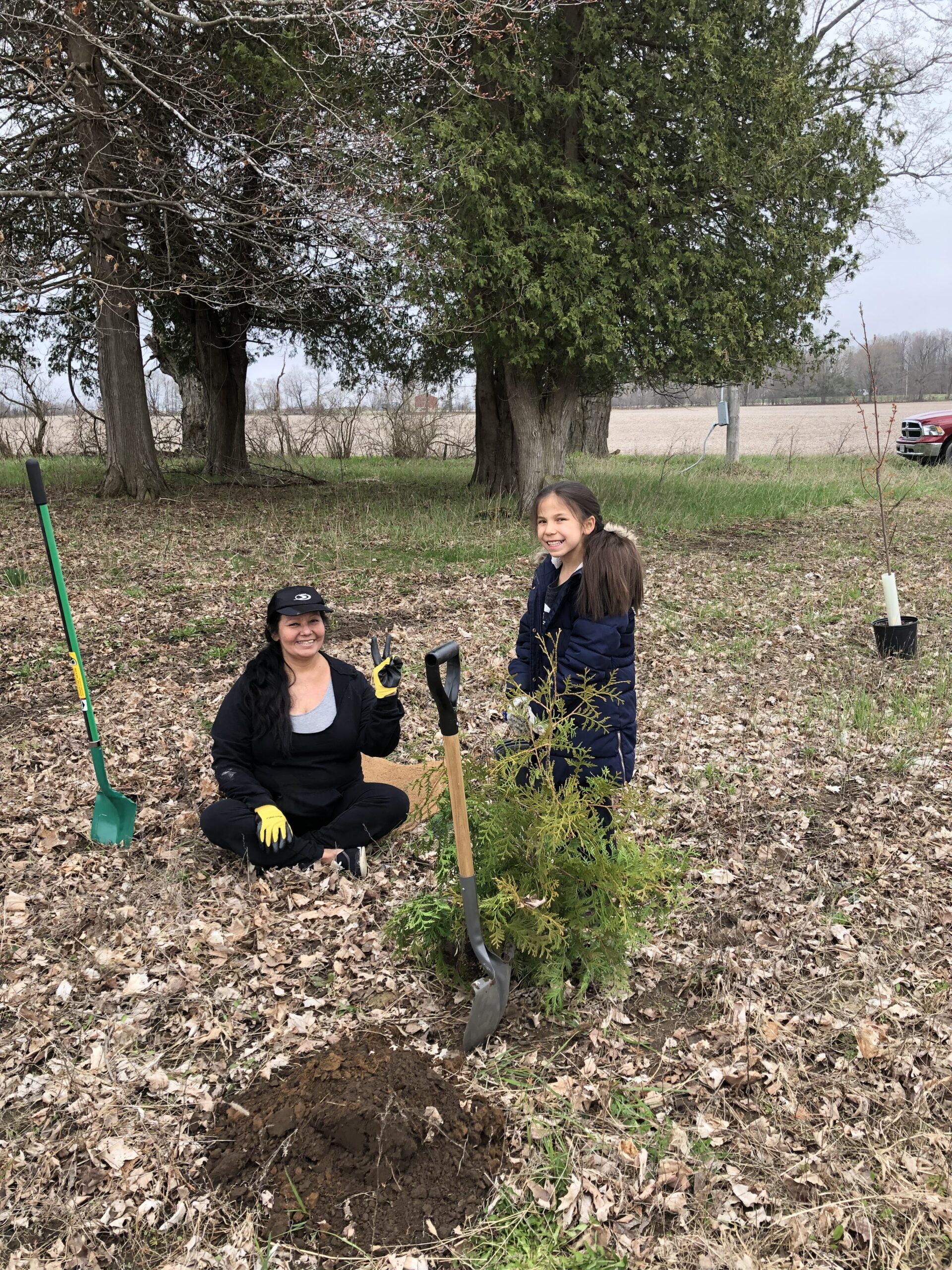
Ready to put conservation science into practice? There are plenty of opportunities to connect with nature and support local conservation efforts:
- Explore Our Projects: Discover what our field team is working on across Huron County and learn how science helps guide our conservation initiatives.
- Volunteer in the Field: Join local organizations for hands-on field days, habitat restoration, and community events.
- Be a Land Steward: Find out how landowners can protect important habitat, support native species, and improve biodiversity on their own properties.
- Make a Difference at Home: Plant native species, support pollinators, manage invasive plants, and take an active interest in the natural spaces around you.
Even small actions can make a meaningful contribution to a healthier environment.
Looking Ahead: Growing a Future Through Science and Stewardship
Today’s environmental challenges are complex. Habitat loss, biodiversity decline, invasive species, and changing climate conditions all require knowledge, collaboration, and a willingness to keep learning.
Meaningful conservation starts close to home. A protected turtle nest, a restored habitat, a newly planted native tree, or a community member taking the time to learn about local wildlife all contribute to a healthier landscape.
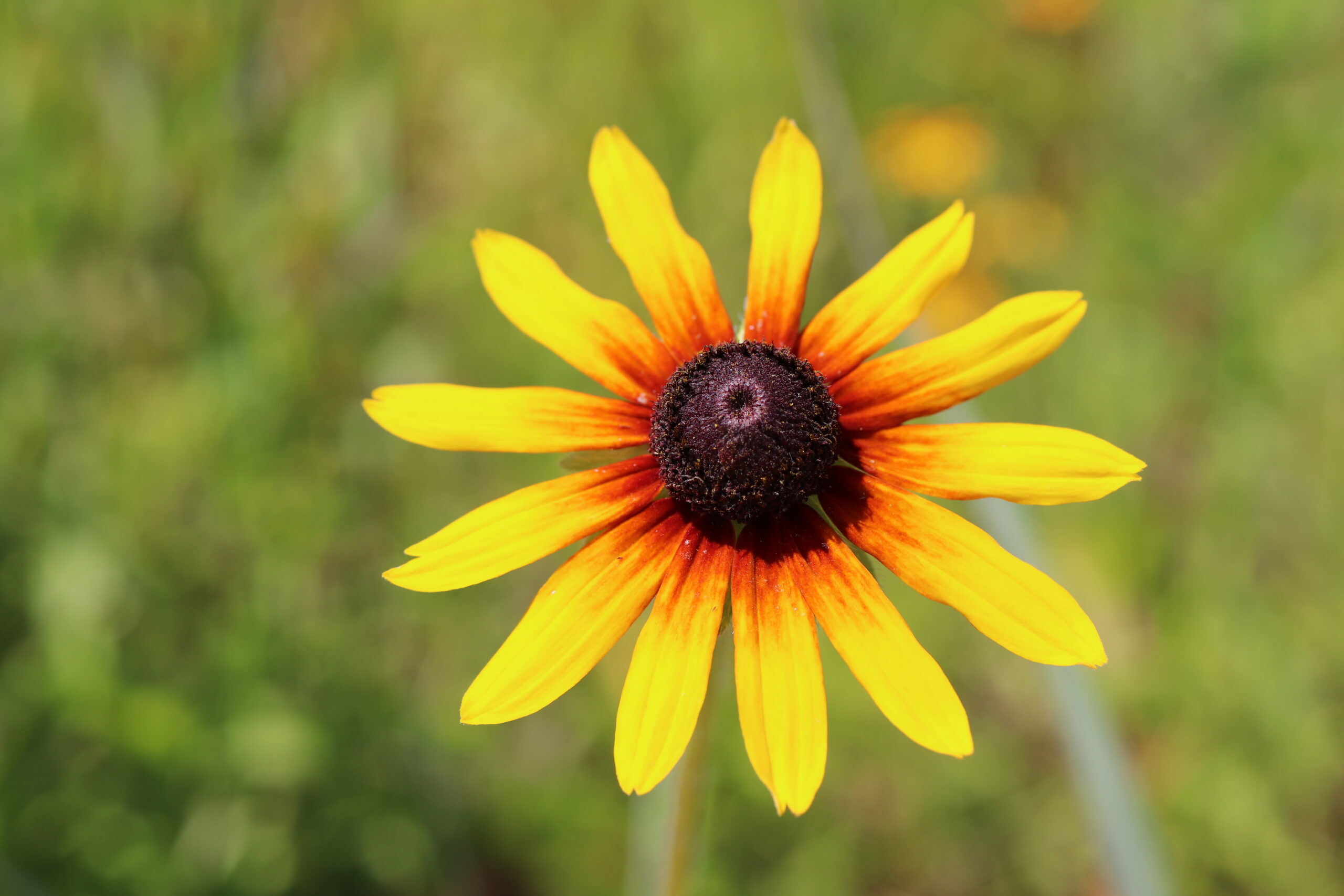
At the Huron Stewardship Council, we believe the best conservation decisions are grounded in science, strengthened through collaboration, and carried forward through community action.
This November 10, celebrate World Science Day by getting curious about the natural world around you. Ask questions, explore your local environment, and discover how science can help protect the places we call home.
Because when science meets the soil, knowledge grows into action!
Happy World Science Day from the Huron Stewardship Council!